Why Water Damage Mold Cleanup Requires Careful Planning
If you have ever walked into a basement after a heavy rain and caught that damp, earthy smell, you already know the feeling. That smell is more than an odor. It is a signal that something is growing where it should not be. Water damage mold cleanup is not just about wiping away stains. It is about addressing the conditions that allow mold to thrive in the first place, and doing it in a way that protects your health and your home.
I have seen too many cases where people grab a bottle of bleach and a scrub brush, thinking they can handle the problem themselves. That approach rarely works, and it can make things worse. Mold remediation is a process that demands a clear understanding of moisture control, indoor air quality, and safety. Without that understanding, you risk spreading spores throughout your home and exposing yourself to harmful substances like mycotoxins.
Understanding the Problem
Mold is a fungus. It reproduces by releasing tiny spores into the air. Those spores are everywhere, indoors and out. They become a problem when they land on a damp surface and start to grow. That is where water damage comes in. A leaking pipe, a flooded basement, or a roof that has been compromised can create the perfect environment for mold to take hold.
One of the most concerning types is Stachybotrys chartarum, often called black mold. It produces mycotoxins that can cause serious health problems, especially for people with respiratory issues or weakened immune systems. Even common molds can trigger a mold allergy, leading to symptoms like sneezing, coughing, and headaches. That is why water damage mold cleanup needs to be thorough and professional.
Why Bleach Is Not the Answer
It is tempting to reach for bleach. It is cheap, it is familiar, and it kills bacteria. But bleach is not effective for mold remediation on porous surfaces like wood, drywall, or carpet. The chlorine in bleach cannot penetrate into the material, so it only kills surface mold. The roots, or hyphae, remain embedded. Within days, the mold can grow back.
Worse, mixing bleach with other cleaning products can create toxic fumes. Using bleach on mold can also increase the level of airborne spores, because the bleach solution disturbs the colony without fully killing it. For true water damage mold cleanup, you need methods that address the moisture source and remove the mold completely.
Professional Mold Remediation Steps
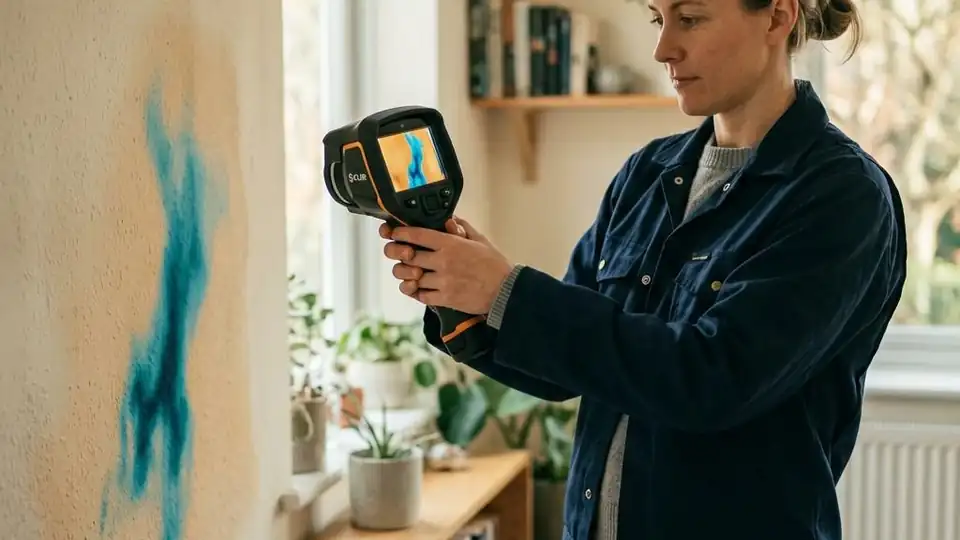
A proper mold inspection should always come first. A trained inspector can identify the type of mold, the extent of the growth, and the underlying moisture problem. That might mean using a humidity meter to check for hidden dampness in walls or floors. Once the assessment is done, the remediation can begin.
The area should be sealed off to prevent spores from spreading. Workers wear PPE, including respirators, gloves, and eye protection. A HEPA vacuum is used to capture spores from surfaces and the air. Contaminated materials like drywall or insulation are removed and disposed of properly. After that, the area is cleaned with antimicrobial spray or other EPA-approved products.
The final step is moisture control. Without fixing the leak or reducing humidity, mold will return. A dehumidifier can help, but it is only part of the solution. The real work is in repairing the source of the water damage, whether that is a cracked pipe, a faulty roof, or poor drainage around the foundation.
Health and Safety Considerations
The health risks of mold exposure are well documented. The Michigan Department of Health and Human Services provides guidelines for dealing with mold in homes and buildings. They recommend that anyone with asthma, allergies, or other respiratory conditions avoid direct contact with mold. Children and elderly people are also at higher risk.
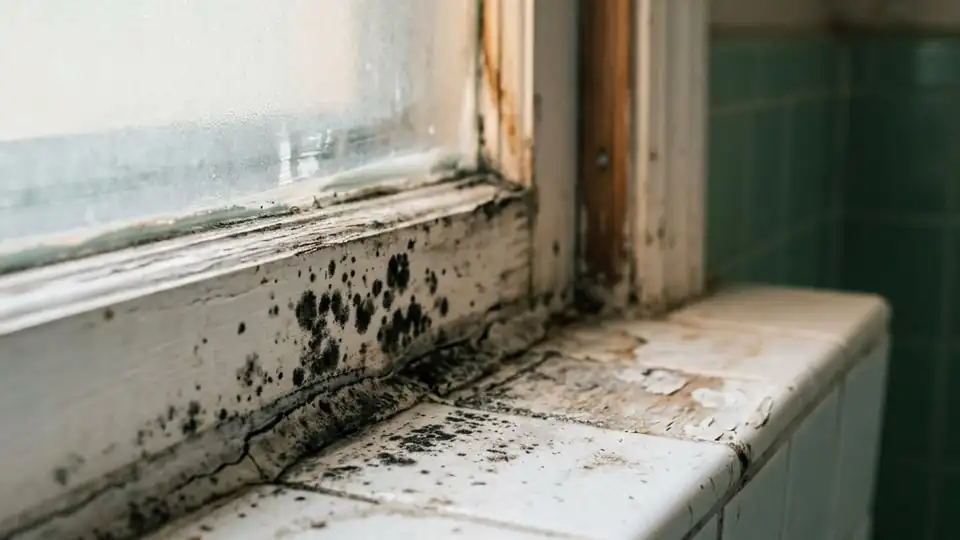
Mold can affect indoor air quality in ways that are not always obvious. Spores can travel through HVAC systems and settle in other parts of the building. That is why water damage restoration should include an evaluation of the air handling system. If mold is growing in the ducts, cleaning them requires specialized equipment and training.
The Cost Factor
Remediation cost varies widely depending on the size of the affected area and the severity of the infestation. A small patch of mold on a bathroom wall might cost a few hundred dollars to treat. A full basement cleanup after a flood can run several thousand. But the cost of ignoring mold is higher. Structural damage, decreased property value, and health problems can add up quickly.
Some people try to cut costs by using products like boric acid, which is sometimes recommended for mold control. Boric acid can be effective in certain situations, but it is not a cure-all. It works best as a preventative treatment on surfaces that are prone to moisture. For active mold growth, you need a more aggressive approach.
Practical Steps for Homeowners
There are things you can do to reduce the risk of mold after water damage. The first is to act quickly. Mold can start growing within 24 to 48 hours after water exposure. Dry out the area as fast as possible. Use fans, open windows, and run a dehumidifier. Remove wet carpets and furniture. If the weather is humid, a dehumidifier is essential.
Check for leaks regularly. A small drip under the sink can create a hidden mold problem. Use a humidity meter to monitor indoor humidity. Keep it below 60 percent, ideally between 30 and 50 percent. If you find mold, do not disturb it. Seal off the area and call a professional for a mold inspection.
When to Call a Professional
Not every mold problem requires a professional. A small patch on a tile surface can be cleaned with soap and water. But if the area is larger than about 10 square feet, or if the mold is in a hard-to-reach place like inside a wall, it is time to call for help. Professional water damage mold cleanup involves more than just cleaning. It includes identifying the source of moisture, removing contaminated materials, and restoring the area to a safe condition.

In Detroit, where older homes are common and basements are prone to flooding, mold remediation is a frequent need. The city has a humid climate that can make moisture control a year-round challenge. Property owners who take mold seriously can protect their investment and their health.
Final Thoughts
Water damage mold cleanup is not a DIY project. It requires knowledge, the right equipment, and a commitment to fixing the root cause. Whether you are dealing with a small patch of black mold or a full basement infestation, the principles are the same: dry it out, remove it safely, and keep it dry. The effort you put into proper remediation will pay off in better indoor air quality and peace of mind.